
Are you interested in your country's mythology?

  • E.g. if you are Greek, if you are interested in Greek mythology?


    In my country, it is Norse mythology, which is not only one country's mythology.

    I remember back when I had history class for the first time and one of the first things that we learned about was Norse mythology.

    And then we watched a Danish animated movie called Valhalla.


    I sometimes find Norse mythology interesting, but I'm not one of them who is very into it.

    Even though I recently read the Valhalla comic series, which that one movie is based on. And it did make me a bit more interested in the mythology.
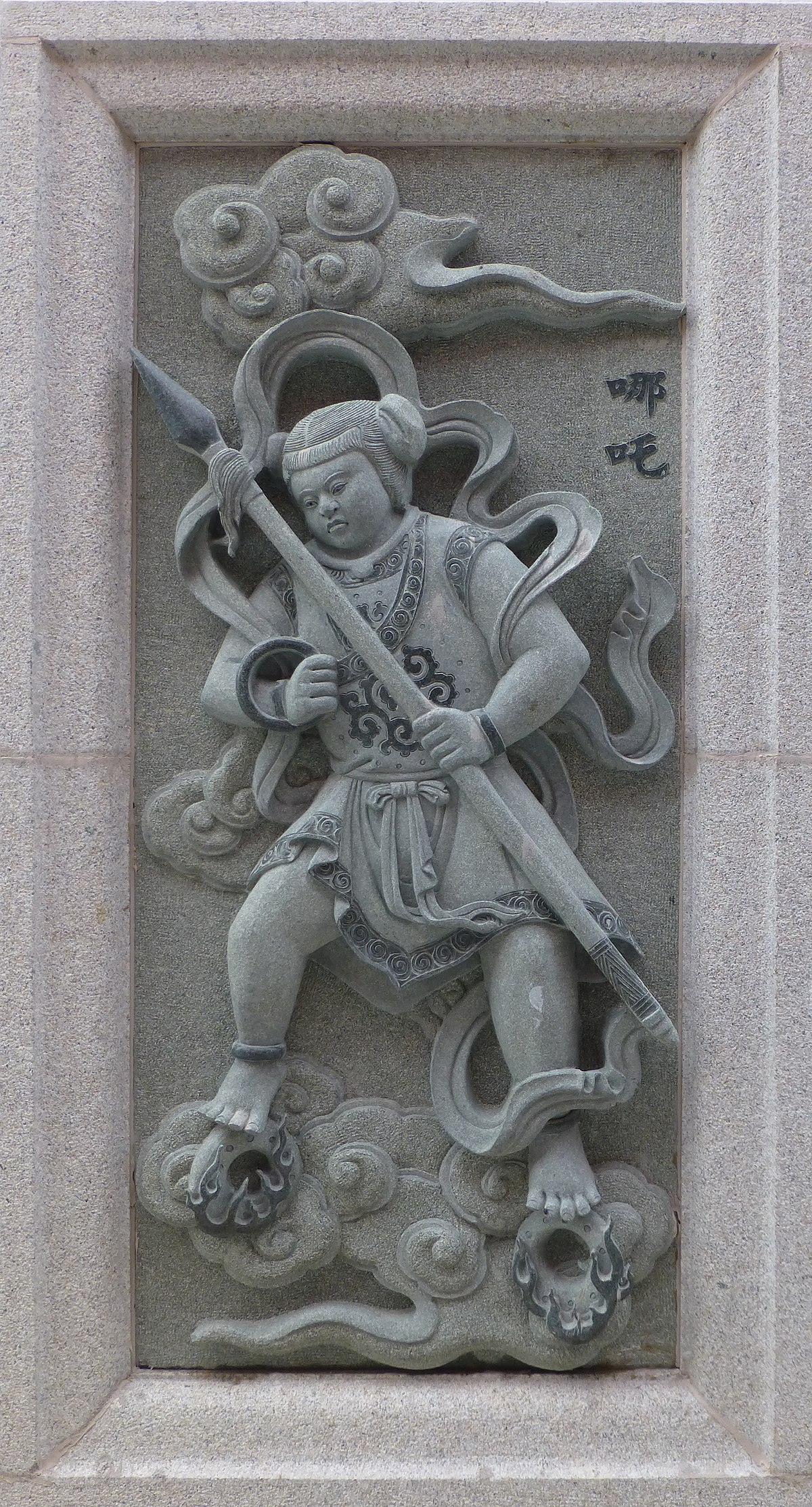
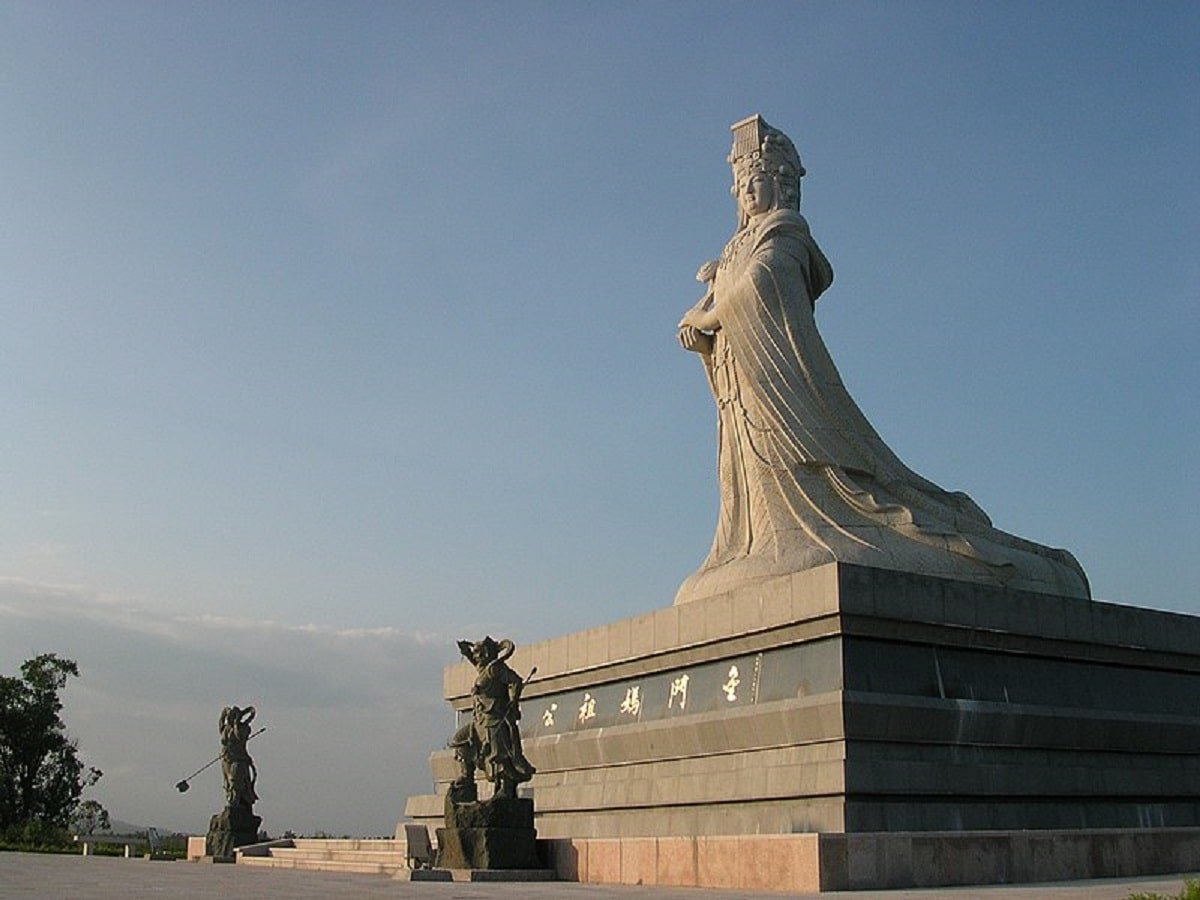
  • In Taiwan, the most famous is Mazu - Sea Goddess.


    Mazu: Taiwanese and Chinese Sea Goddess
    As with many Chinese gods and goddesses, Mazu was an everyday person that became deified after her death. Her legacy would be long-lasting, to the point that…
    historycooperative.org


    Taiwan has an annual primage that gathers hundreds of thousands of worshippers


    External Content youtu.be
    Content embedded from external sources will not be displayed without your consent.
    Through the activation of external content, you agree that personal data may be transferred to third party platforms. We have provided more information on this in our privacy policy.

  • I’m from Britain, so of course! The British Isles has some of the best mythology, from King Arthur with the sword in the stone, Merlin, the lady of the lake, Excalibur, the knights of the Round Table, the Holy Grail, Camelot, Lancelot and Guinevere etc, through to folklore of the different regions, like Scottish Keplies and the Welsh giants.


    We have a fun mix of Celtic and Norse folklore due to the isles’ history (for example we have our own versions of the Norse gods brought over by the Anglo-Saxons, for instance the god “Woden” instead of Odin). This is the root of some of the days of the week in English, for example Wednesday is “Woden’s day” (or Odin’s day) and Thursday is “Thunor’s Day”, Thunor being our equivalent to Thor.

  • There is a lot, but I barly know most of it. I saw a video once with 30 mythical creatures from Germany and it shook me how I only knew 4 of them


    One for example we have in Germany is called Lorelei, it's like a mermaid or what Google said: "German legend of a beautiful maiden who threw herself into the Rhine River in despair over a faithless lover and was transformed into a siren who lured fishermen to destruction"


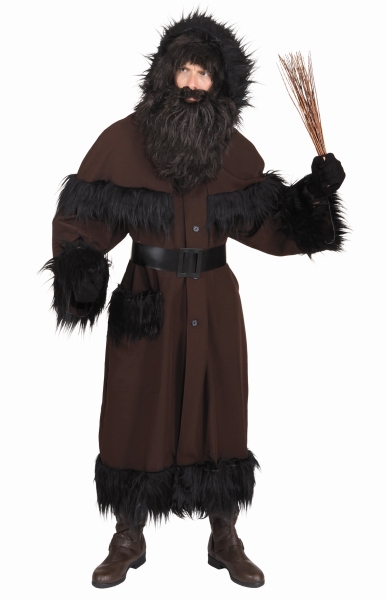
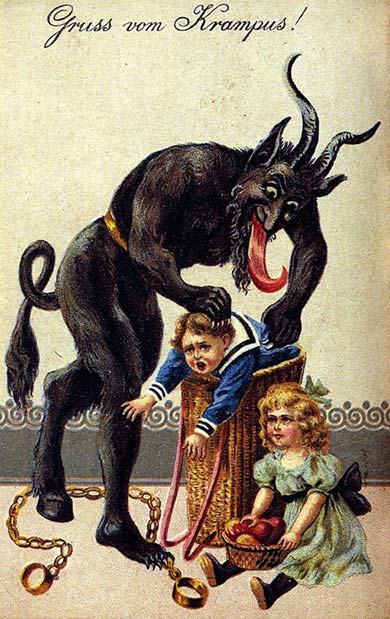
    Another one I know is Knecht Ruprecht, also known as Krampus or other names. Depending on it, either its a dude or a creepy creature. In both cases a partner of Santa Claus or better said St. Nikolaus in that case. Its a helper of him, but not in a good way. If you are a bad child you will be taken by Knecht Ruprecht / Krampus. According to Knecht Ruprecht he will take naughty children and put them in a bag and beat them up with a wooden stick. Krampus on the other way takes the naughty children and you will never see them again.


    Knecht Ruprecht


    knecht_ruprecht.jpgb517a659ef73bd829a3d0496e52ceff4.jpg


    Krampus


    Krampus.jpegKrampus_Morzger_Pass_Salzburg_2008_10.jpg


    There is a row more stuff, but I know not much about it, however there is a lot going on from all sorts of mythical creatures, like dragons, werwolfs, and whats not

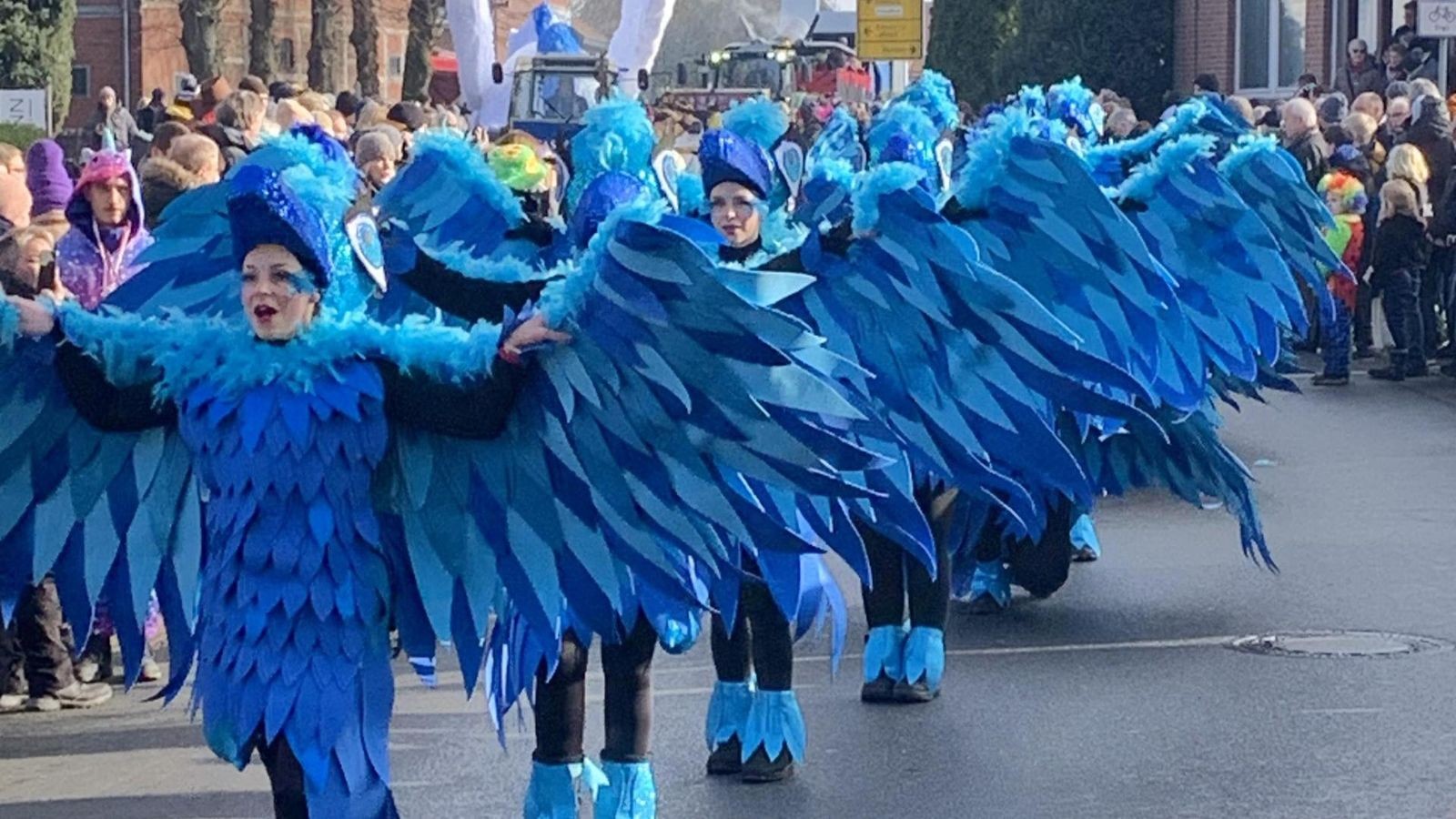
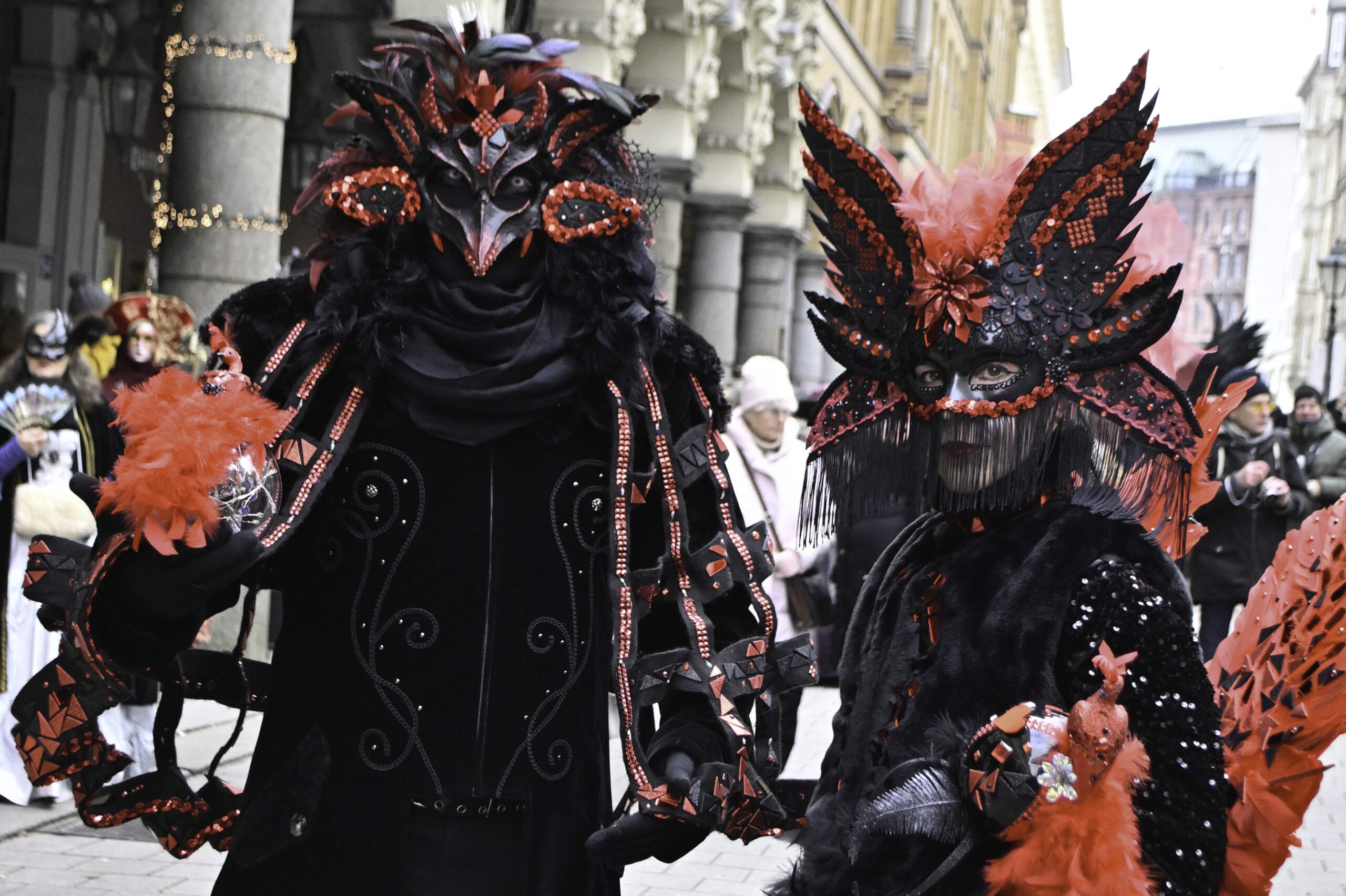
  • The one thing I know for the longst btw is how Carnival originated in Germany. It's similiar to what Americans do with Halloween, however it completle changedit's meaning over the years into something much bigger now. Apparently when Carnival was first ever done in Germany, it was a festival in hope to hold bad spirits away, nowadays nobody thinks of it anymore. It's always held 2 days before the lent begins in the christian religion.


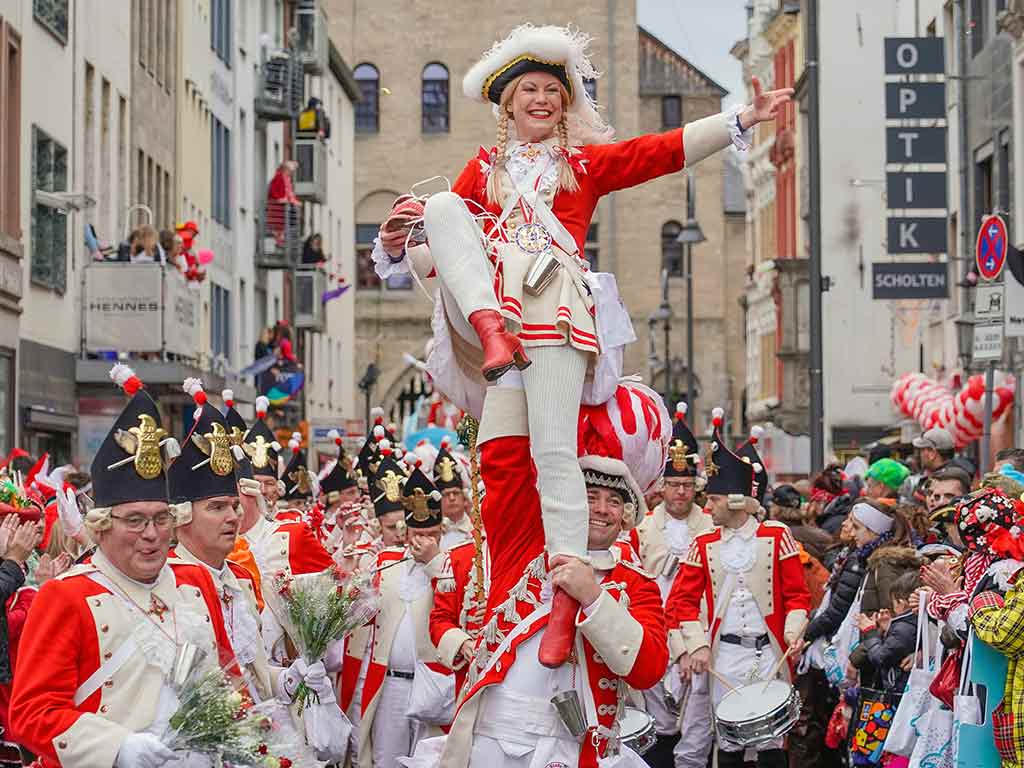
    Carneval is held with parades where people dress up and trow candy at the audience, nowadays mostly people atend to watch carneval parades who have children and the kids collect the candy. In most families part of lent is to not eat any of the candy till lent is over, so about 30 days till easter.


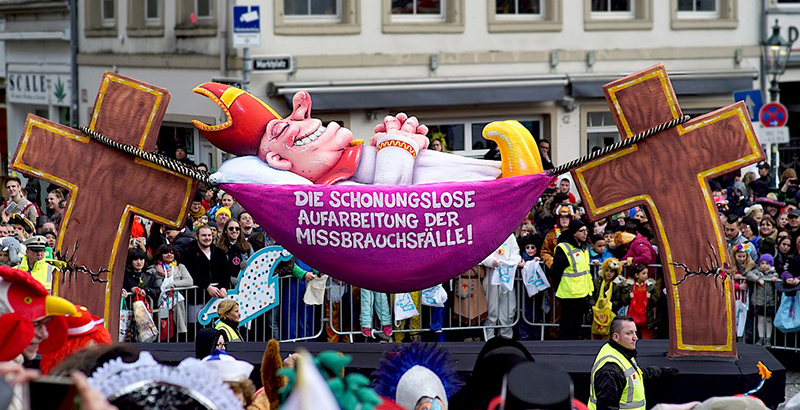
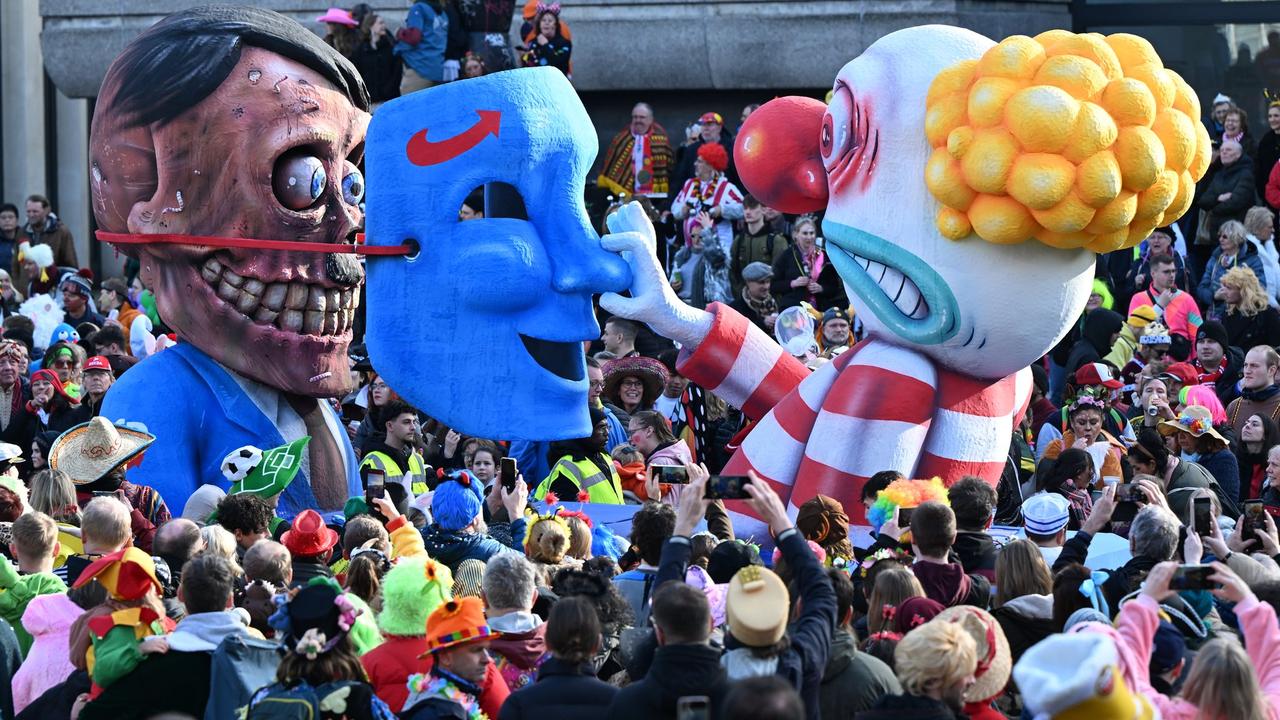
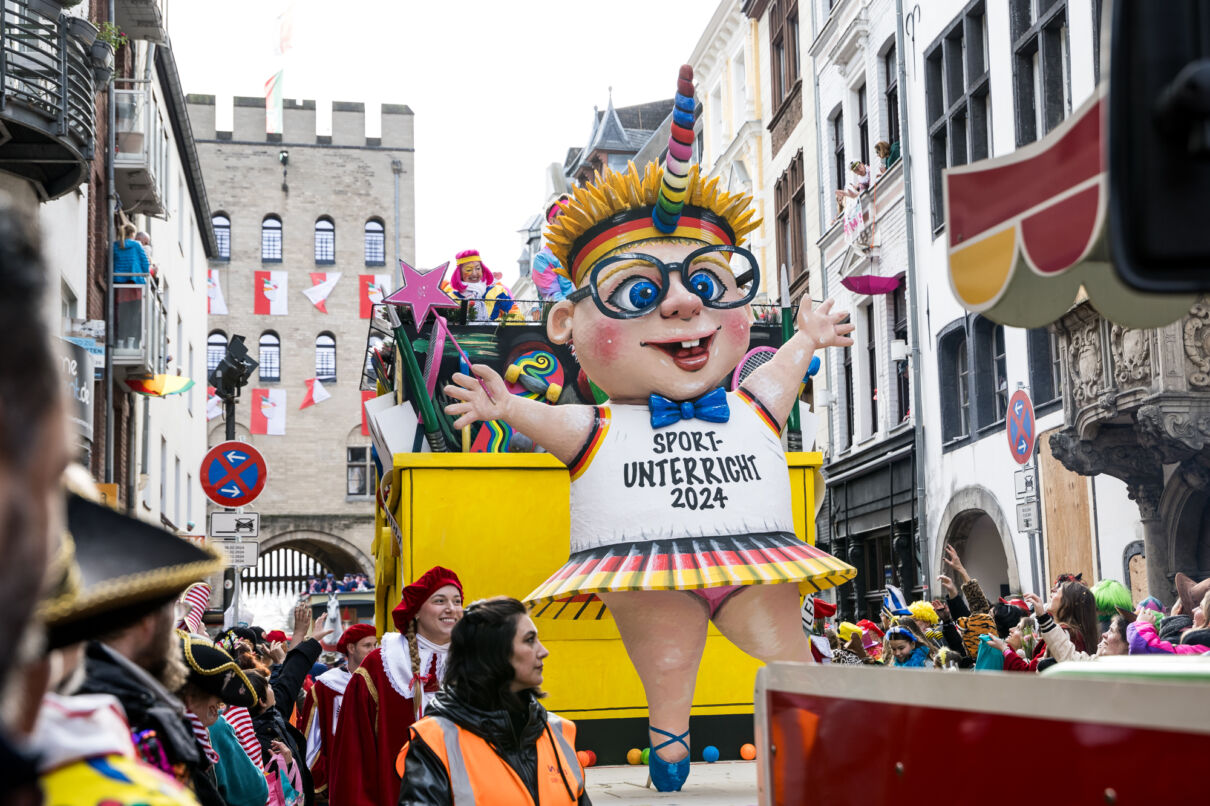
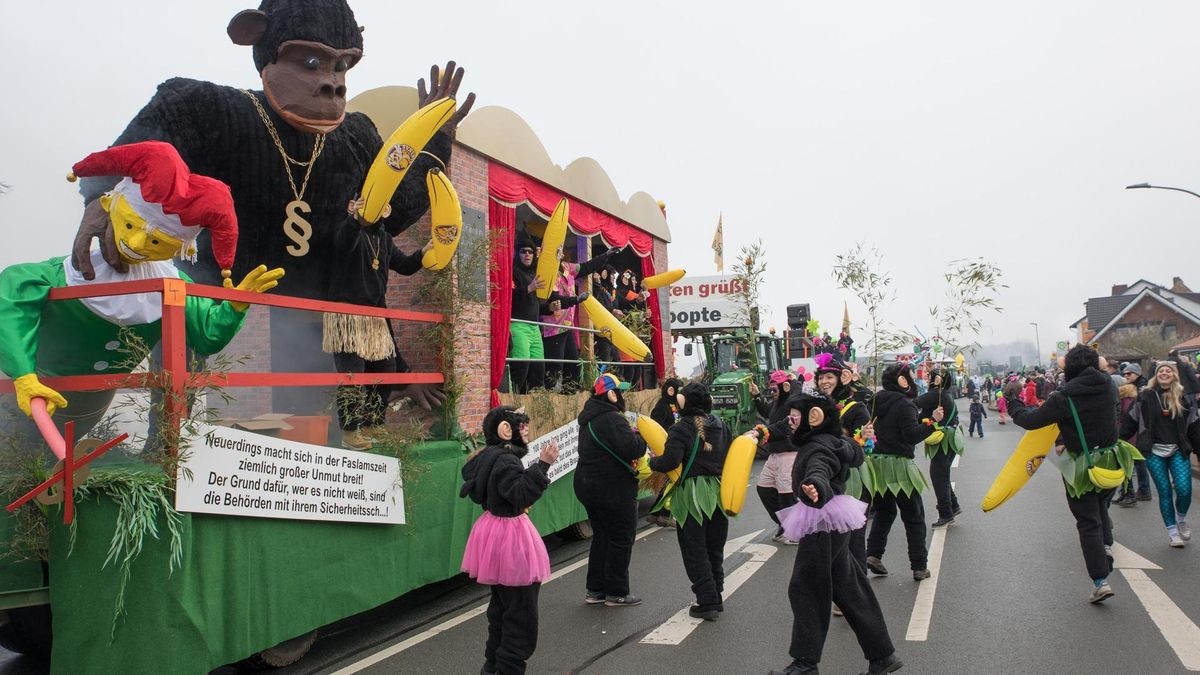
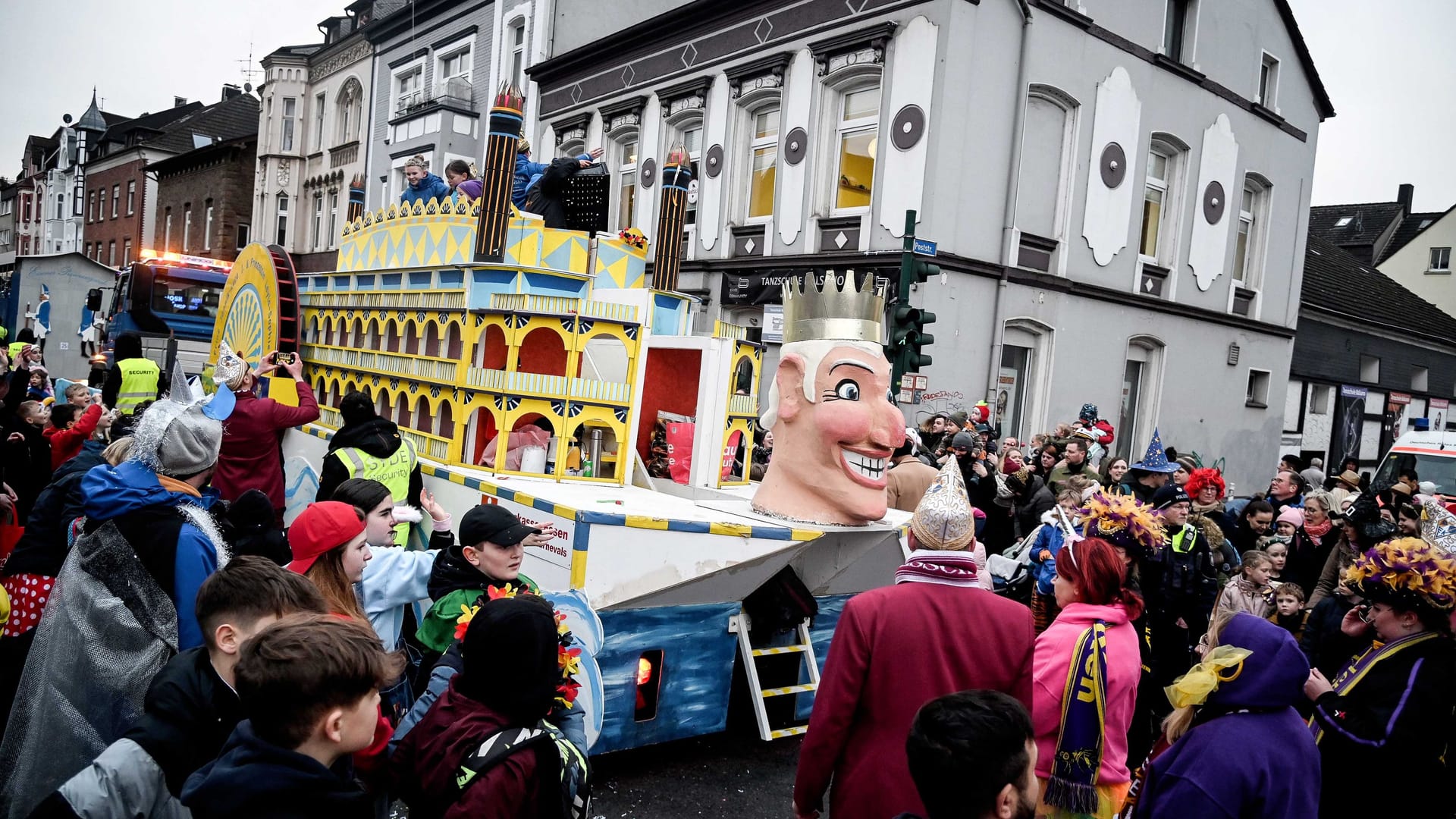
    Majority of places around Germany are no more doing traditionaly costumes during the carnevals parades, but often base it on themes, like wagons with funny figures on it or political statements depending on the city you be in. Like Düsseldorf's parade is mostly political and Colognes more on a theme of the year etc.


    Düsseldorf:


    mottowagen-tilly.pngkg-regenbogen--rosenmontagszug.jpg&crop=0x300x1200x750&resize=1200x750&dt=202411071633190wide__1280x720w2100_h1313_x1796_y1010_PXL_20250303_085936312-7d58c94ad738f2a1.jpg


    Cologne:


    20240212_romo_FotoSteffieWunderl_0195-1210x806.jpg

    wdr-fernsehen-rosenmontagszug-koeln.jpgw2800_h1867_x1500_y1000_DPA_bfunk_dpa_5FACA800C58D8A67-9d4fb48b742e9c65.jpg

    630_0900_3527220_396270769.jpg


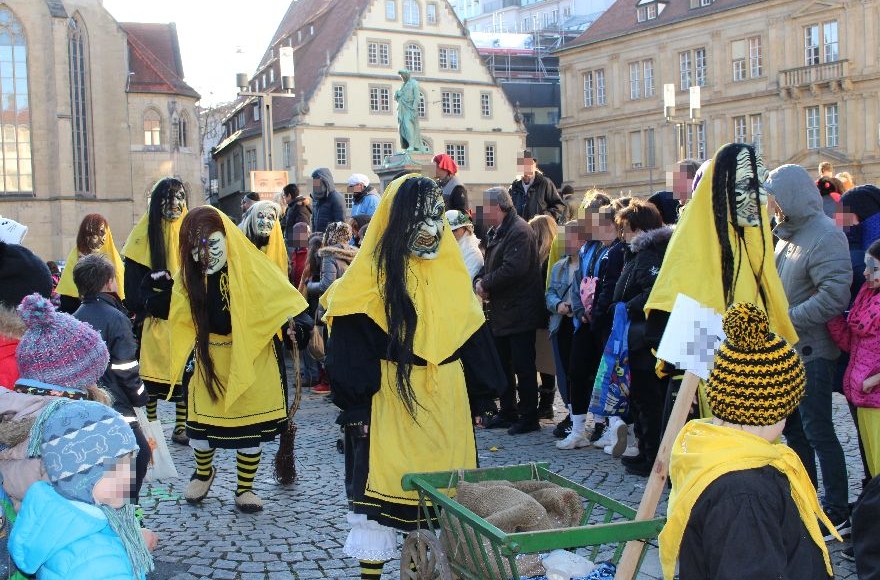
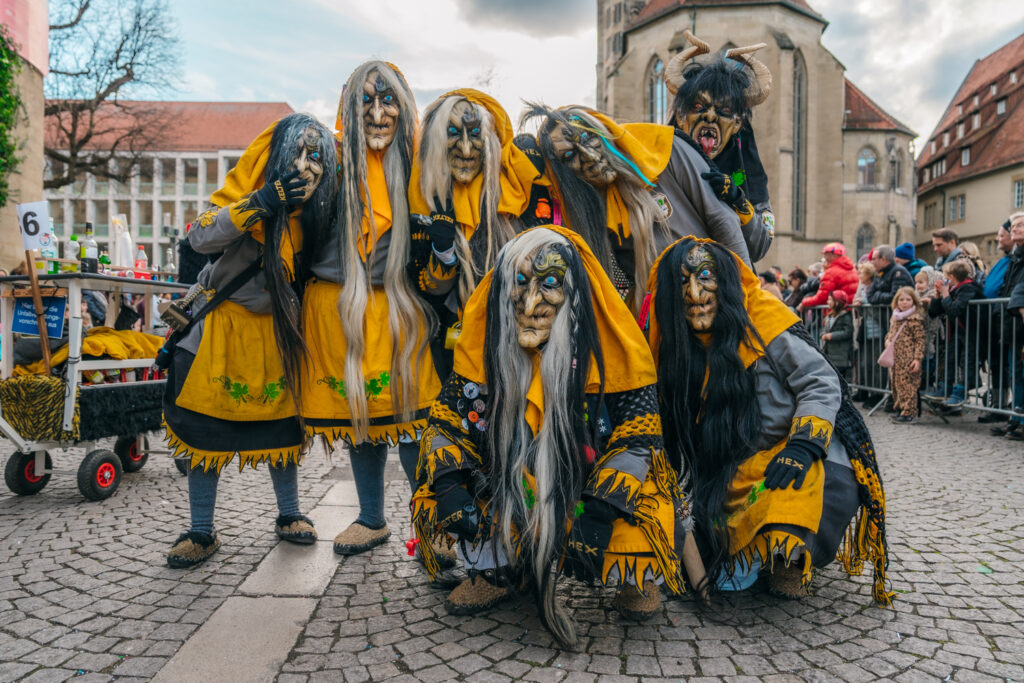
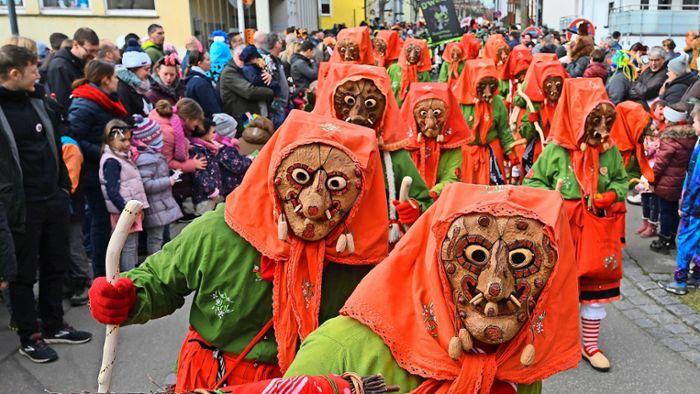
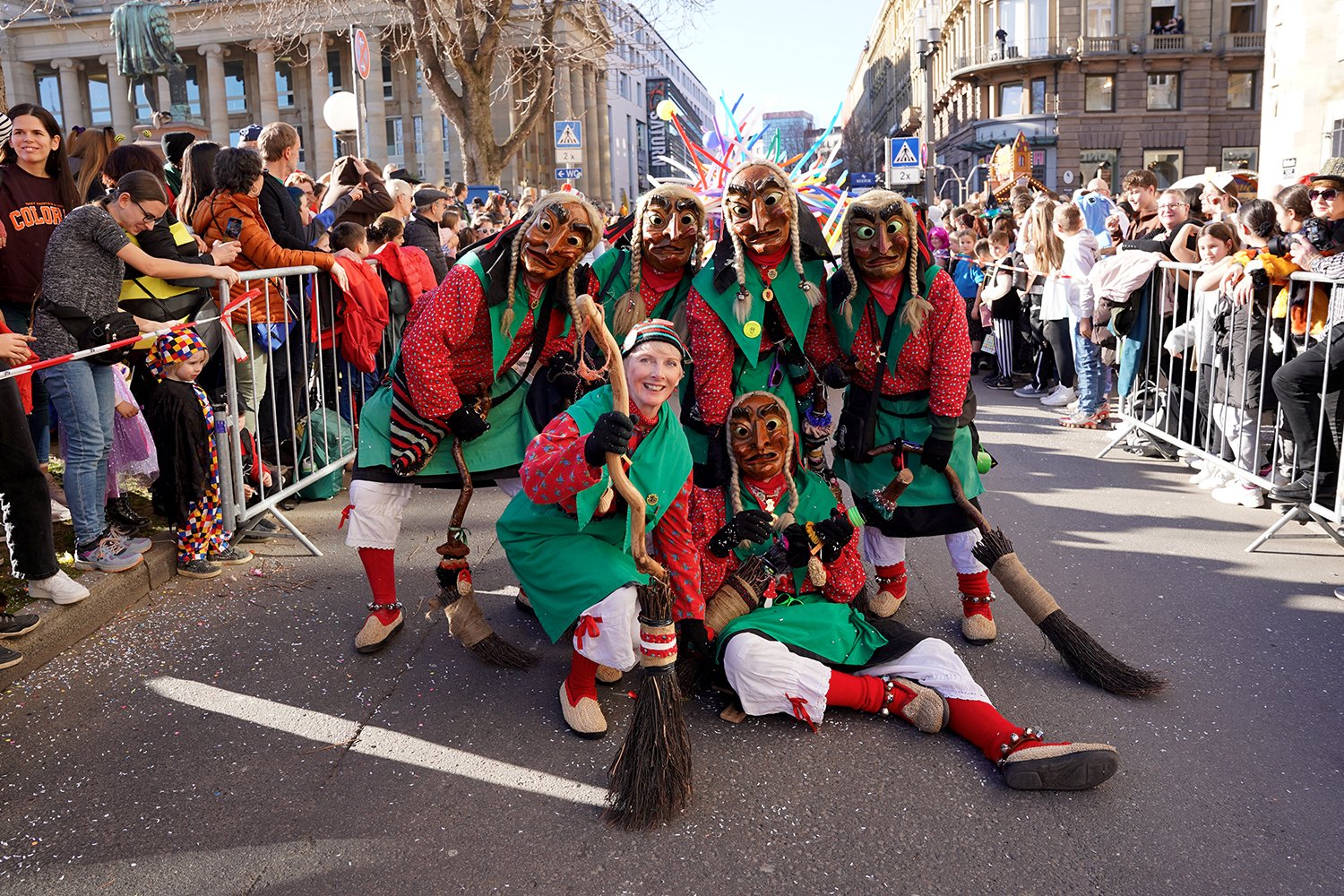
    But in south of Germany you will often still find places with very traditional costumes during the parades like for example in Stuttgart:


    faschingsumzug-stuttgart-schillerplatz-880-p-880x580.jpg

    ee0108dc-a5da-443f-a423-464f983ae495.jpeg?q=60&fm=jpeg&width=1000&rect=0%2C109%2C2048%2C1152Faschingsumzug2024_BB_Foto_STUGGITV-11-1024x683.jpgmedia.media.8747993c-e096-4327-8e73-29c9473c10a3.16x9_700.jpgmedia.media.f00952bf-f270-49ca-a775-8ce980e57f8e.16x9_700.jpgKarneval_Fasching_Umzug-2023_Stuttgart_Fasnet_Hexen_BB_Foto_STUGGITV.jpg


    But it changed so much that every part of Germany has their own way how to do it.


    Some more examples for difference:


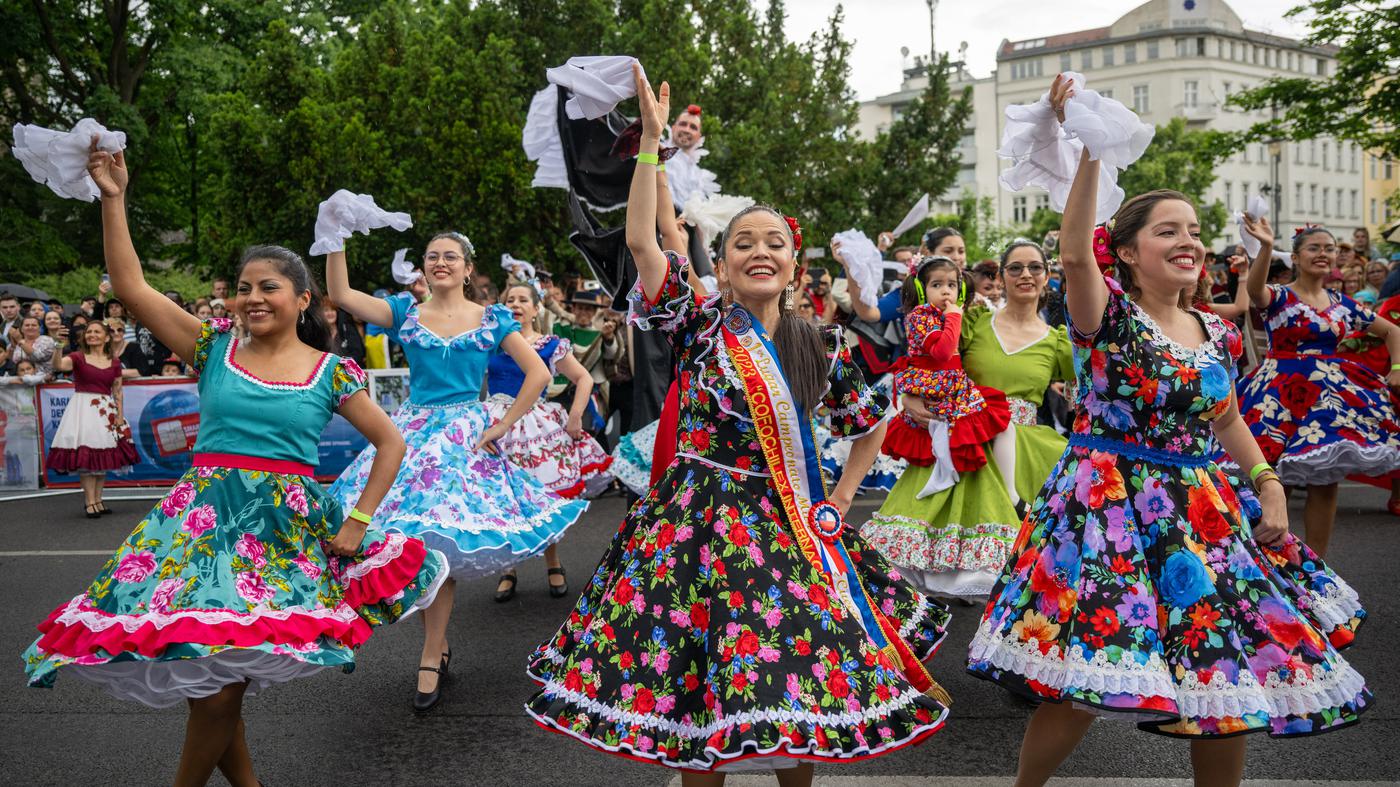
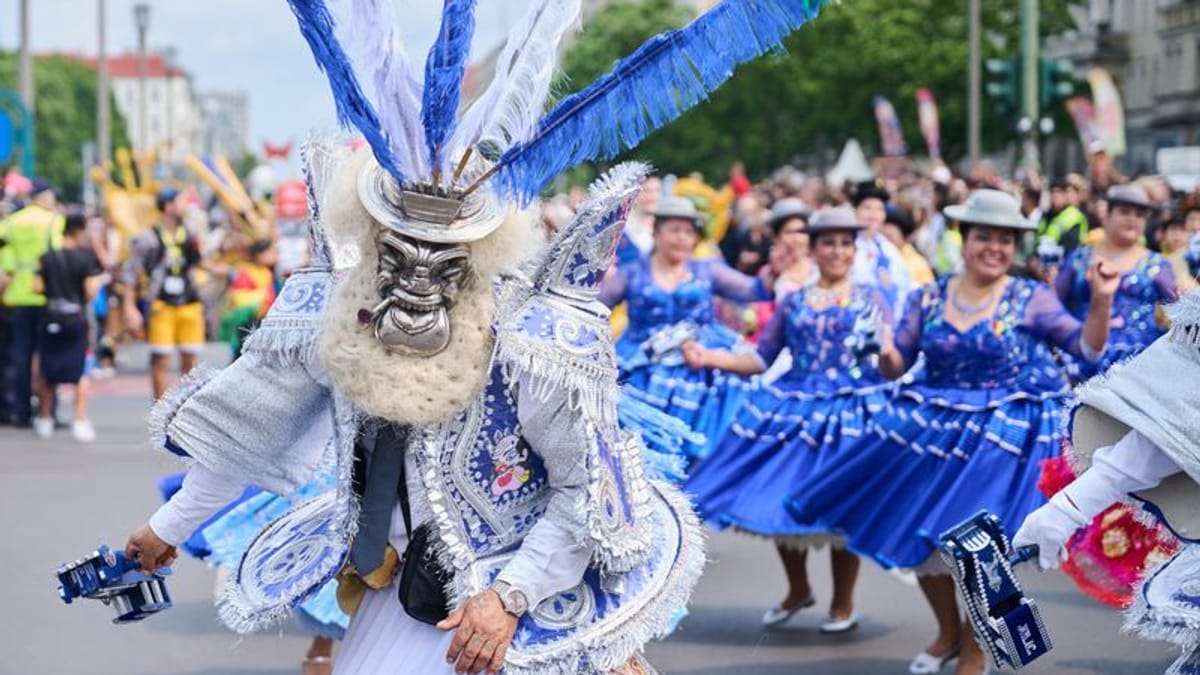
    Berlin


    800x6001000x500bunte-kostme-und-auffllig-dekorierte-wagen-das-ist-der-karneval-der-kulturen-in-berlin-kika2012-umzug-img-0360-910x511.jpegparade-zum-karneval-der-kulturen.jpegimage.jpg


    Hamburg


    408306966_1739530823_v16_9_1600.jpeg408276767_1739284568_v16_9_1200.jpegweihnachtsparade104_v-quadratl.jpg241442994_1706177786_v16_9_1200.jpeg507728216-scaled.jpg

    image.jpg

Participate now!

Don’t have an account yet? Register yourself now and be a part of our community!